EMDR Therapy

EMDR Therapy

Therapy that works
where insight alone can't reach.

EMDR is an evidence-based therapy that helps you process trauma, anxiety, and difficult experiences that feel stuck. Using guided eye movements, EMDR helps your brain reprocess painful memories, reducing their emotional weight over time.

THE THERAPY

What is EMDR?

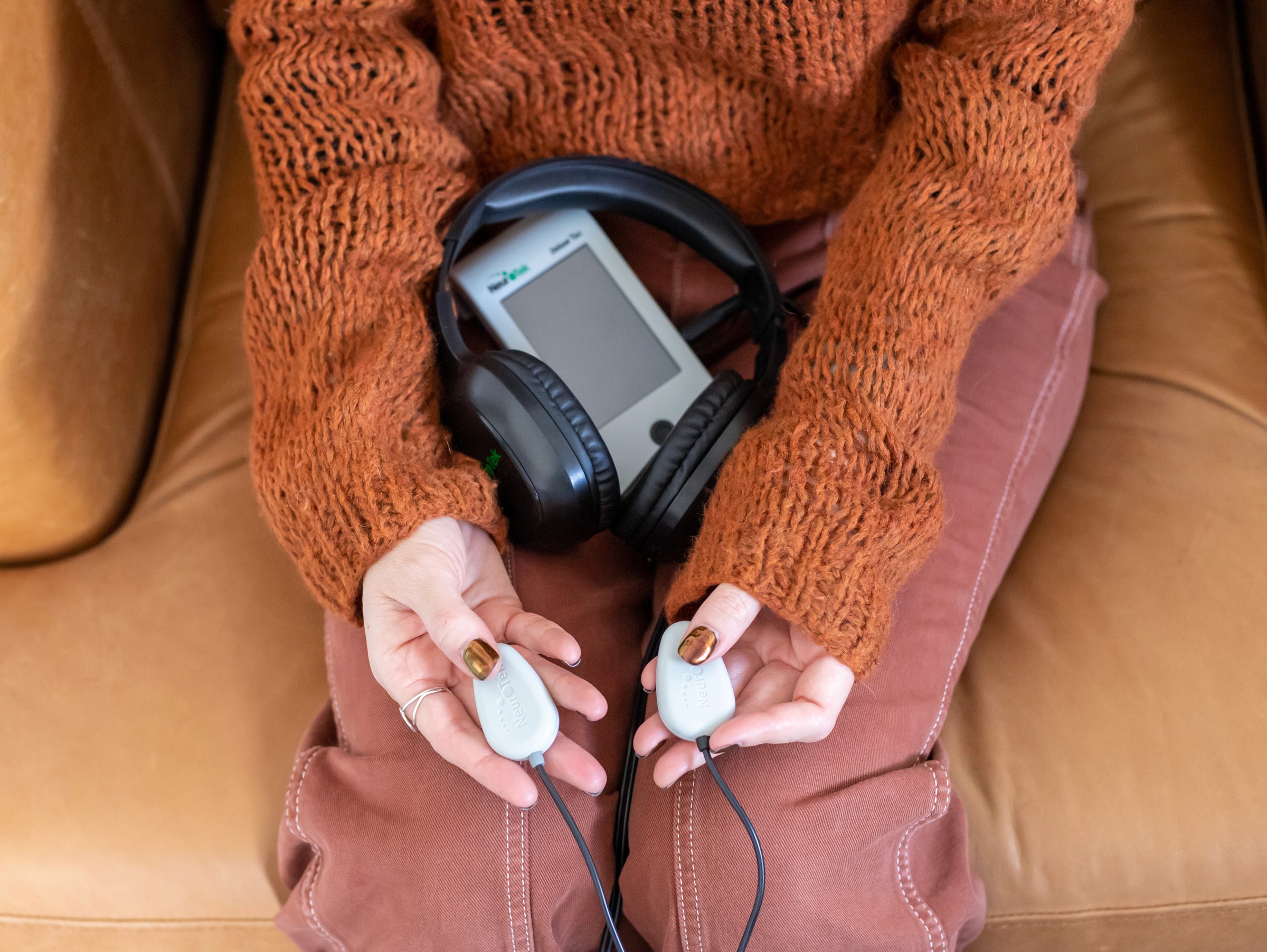
EMDR (Eye Movement Desensitisation and Reprocessing) works with how distressing memories are stored in the brain and nervous system. When an experience overwhelms us, the memory can stay "stuck," holding its original charge, sensations and beliefs. Through gentle bilateral stimulation, EMDR helps that memory reprocess and settle. The facts stay; what shifts is the emotional weight and the meaning you've carried.

What EMDR can help with?

Trauma is only where it started.

EMDR is validated well beyond post-traumatic stress. At Centre Self Collective, people most often come to us carrying:

Trauma & PTSD

Anxiety

Burnout

Perfectionism & the inner critic

Imposter syndrome

Grief

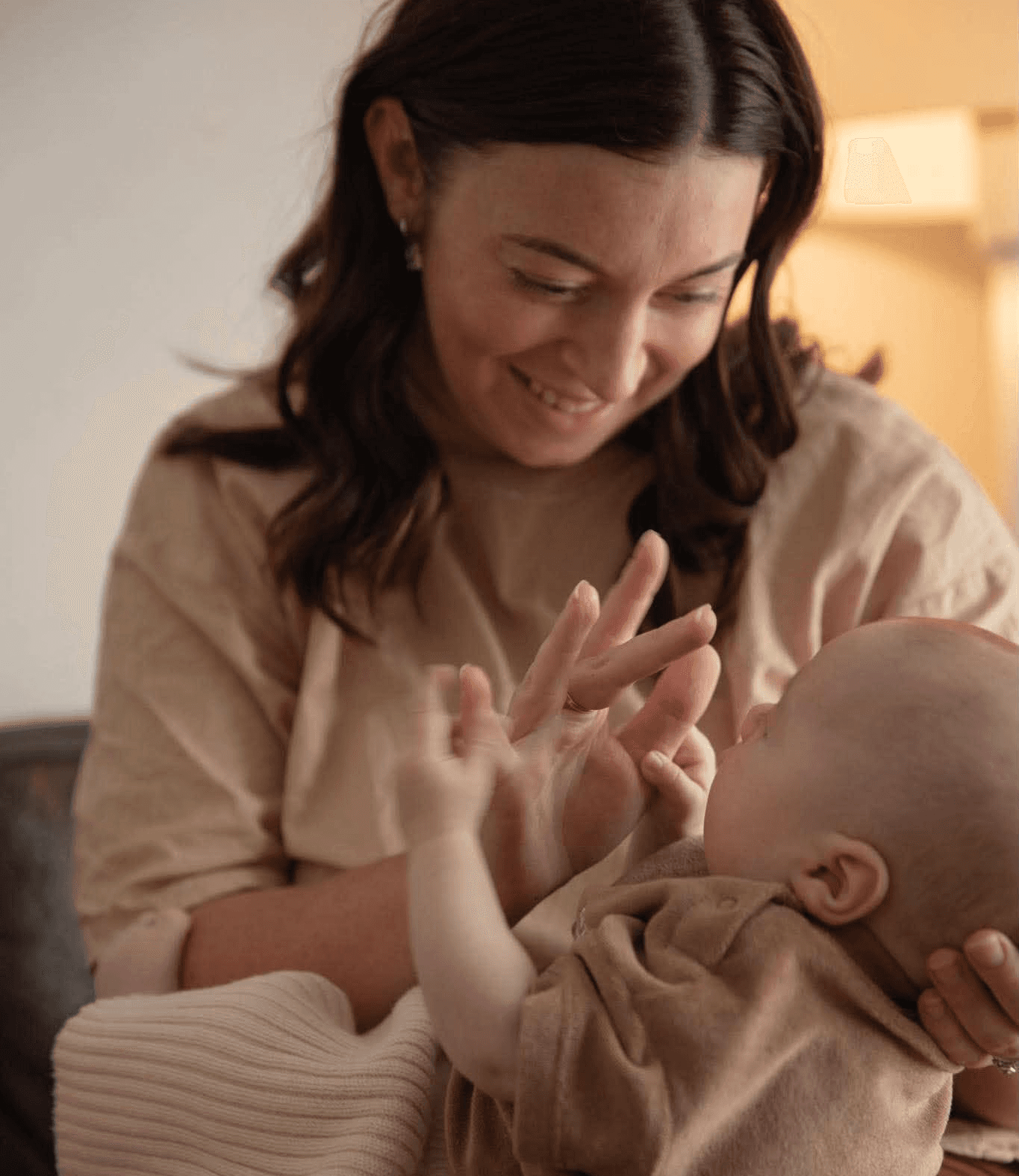
Birth & perinatal trauma

Persistent emotional patterns

Is EMDR right for me?

You've done the work. You understand the patterns. And yet, they're still there.

Some experiences don't resolve through insight alone. You can know exactly why you react the way you do, and still find yourself reacting. You can trace a pattern back to its origin, and still feel caught inside it. This is often where EMDR begins.

  • The Centre Self Collective team of mental health social workers and therapists
  • Two women reading together during a therapy session
  • Stone water feature with pebbles and plants
  • Two Centre Self Collective practitioners smiling together in the clinic
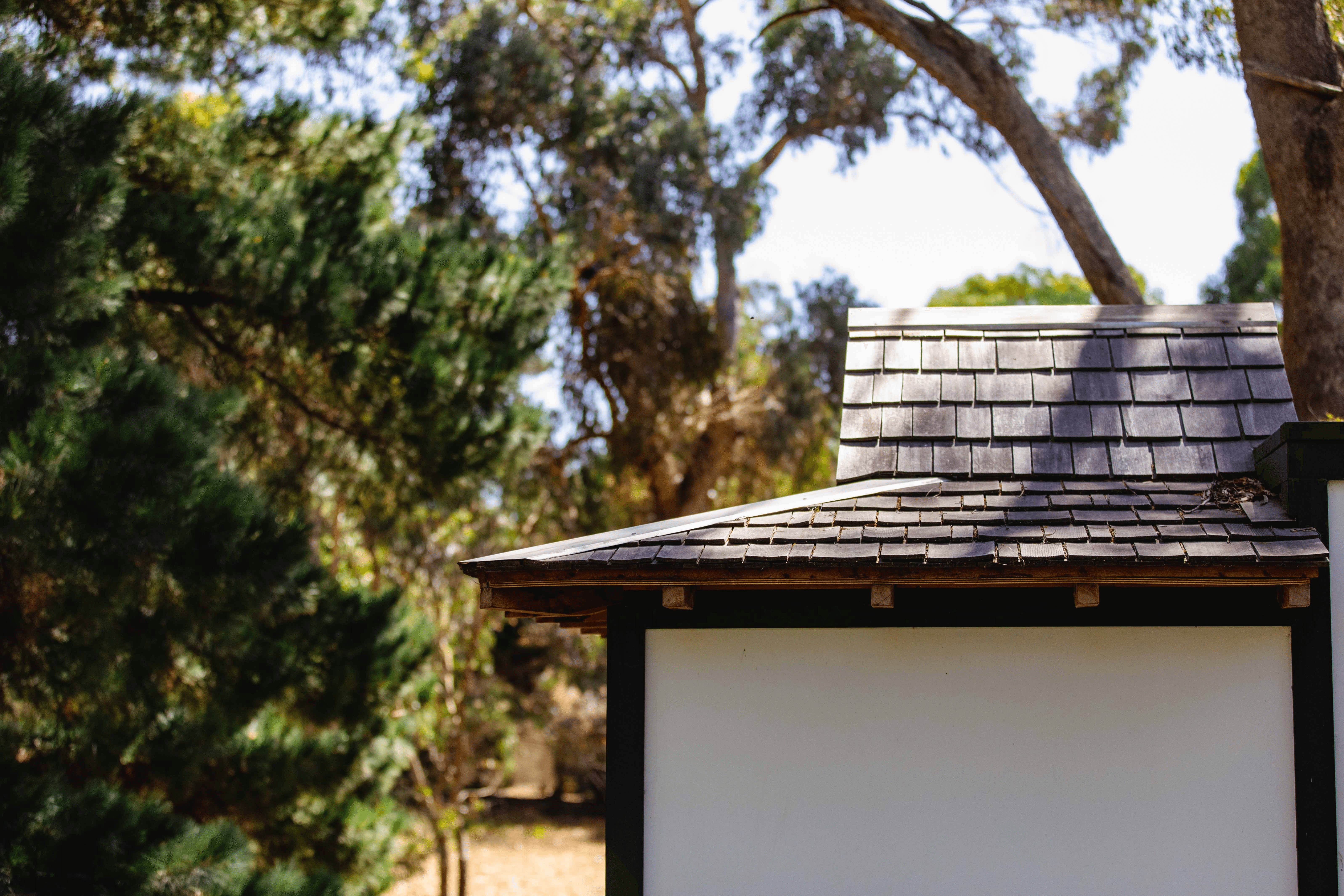
  • Timber Japanese-style pavilion surrounded by trees
  • Woman resting a hand on her chest in a calming, grounding gesture
  • Woman journaling at a table in a sunlit, leafy space
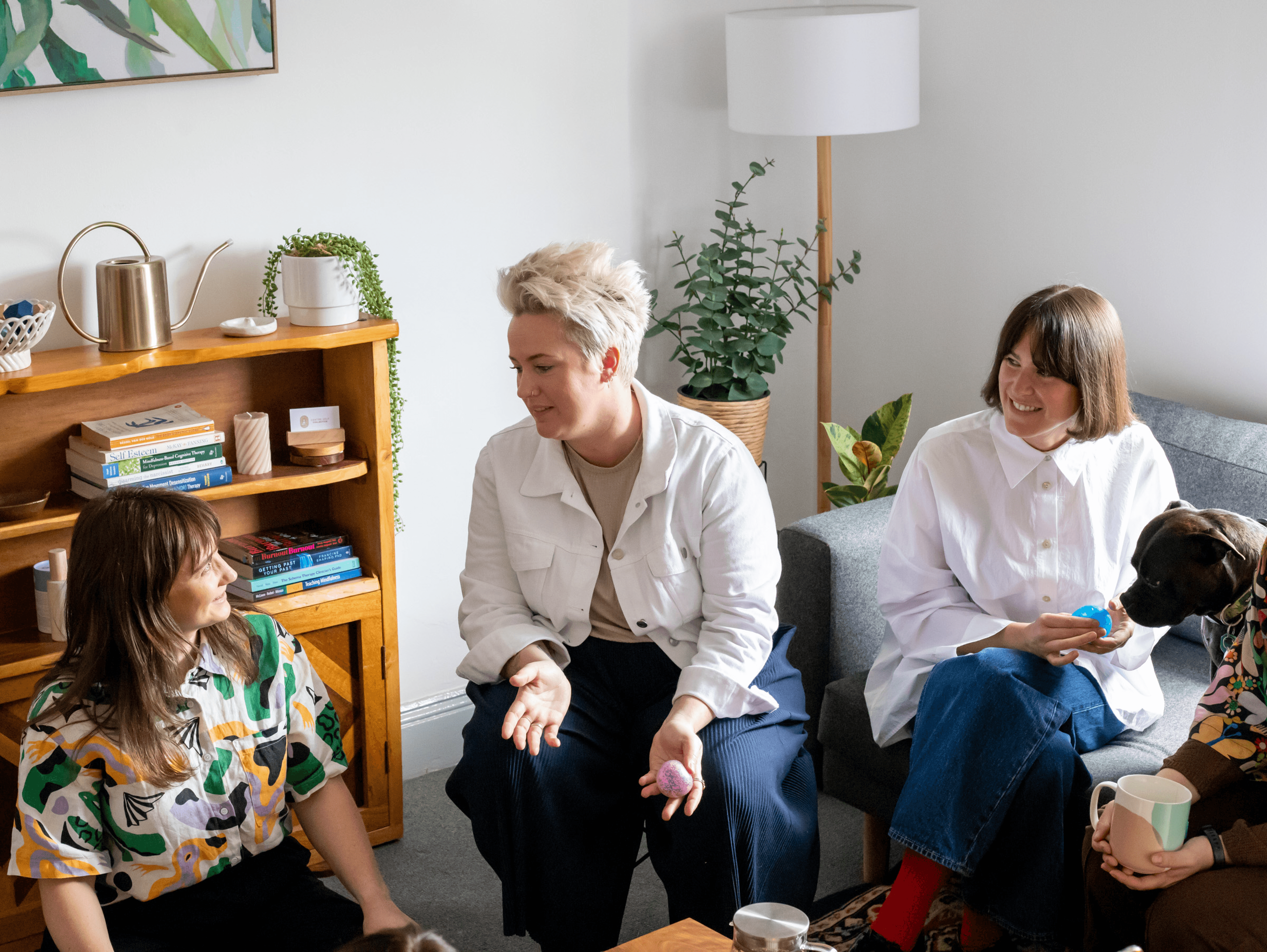
  • "Group of people in conversation around a table during a session
  • Therapist meeting with two clients in a warm, relaxed consulting room

What makes it different

Not more talking. Different processing.

You don't relive it

EMDR doesn't ask you to narrate what happened in detail or repeatedly recount painful experiences.

It reaches the body

It works at the somatic level, not just the cognitive, exactly where "I understand it but still feel it" lives.

Often faster

It uses the brain's natural processing, the same mechanism as REM sleep, to help stuck memories move and settle.

For people who've already done significant therapeutic work, this is often what changes things. Insight becomes embodied. Patterns that were understood intellectually begin to loosen at a deeper level.

What makes it Different?

What makes it Different?

What to expect

Safety first, always.

We prepare before we process

EMDR follows an eight-phase model that prioritises stability. We build resources first, so the deeper work happens without overwhelm. Some things resolve in a few sessions; more complex patterns take longer. Both are expected, and the pace is always led by what's right for you.

Held within a relationship

It's one of the most researched trauma therapies in the world, recognised by the World Health Organization and validated for trauma, anxiety, burnout and grief. We offer it within a relational, trauma-informed framework, because the method matters, and so does the person holding it with you.

Tamera Broughton and Amy Howell, Accredited Mental Health Social Workers at Centre Self Collective, in an EMDR session

The evidence

Credible, not clinical.

EMDR is one of only two psychotherapies the World Health Organization recommends for trauma alongside the Australian PTSD guidelines, NICE (UK) and the APA. There's active research into exactly why it works, and we'd rather be transparent about that than overclaim.

World Health Organization

Phoenix Australia

NICE (UK)

APA

EMDR Services we provide

EMDR Services we provide

One rhythm doesn't fit everyone.

Common questions

The things people ask first

Do I have to relive what happened?

No. That's one of the things that makes EMDR different. You need to give us enough to understand how something shows up for you, but EMDR doesn't require you to narrate or disclose every detail. Many people find that a relief.

How many sessions will I need?

It varies with what you're working on. Single-incident experiences often show significant change in a handful of sessions; more complex or long-held patterns usually take longer, or a focused Immersive round. We'll talk through what's realistic for you.

Is EMDR covered by Medicare?

Indirectly, yes. With a Mental Health Treatment Plan from your GP, you can claim rebates on the sessions where EMDR is delivered by an eligible practitioner, our Accredited Mental Health Social Workers can accept these. Rebates apply to the sessions rather than the full cost of an Immersive package, and we don't bulk bill.

Is it safe? Will it stir things up?

Yes, when it's properly paced, which is the whole point of how we work. We don't rush into reprocessing; we make sure you're resourced and steady first, and assess readiness carefully. You stay awake, aware and in control the entire time, and you can pause whenever you need to.

More on EMDR

More on EMDR

From the journal.

Mold inspector working

Ready to Connect ?

Submit an enquiry, book a call, or phone us directly – Hannah, our friendly Admin and Client Support officer, will be the first to greet you.

Ready to Connect ?

Submit an enquiry, book a call, or phone us directly – Hannah, our friendly Admin and Client Support officer, will be the first to greet you.

Ready to Connect ?

Submit an enquiry, book a call, or phone us directly – Hannah, our friendly Admin and Client Support officer, will be the first to greet you.

Centre Self Collective values the lived experience and contributions of people from all cultures, genders, sexualities, bodies, spiritualities, ages, abilities and backgrounds. We are committed to cultivating inclusive environments and are dedicated to building a sustainable and an environmentally aware practice. 

Acknowledgement and Commitment to First Nations Justice. Centre Self Collective acknowledges the Wurundjeri Woi Wurrung people of the Kulin Nation as the Traditional Custodians of the land on which we live, work, and offer care. We recognise their deep and enduring connection to land, waters, skies, and community - and we pay our respects to Elders past and present. We honour the wisdom, strength, and resilience of Aboriginal and Torres Strait Islander peoples across all communities. As social workers and mental health practitioners, we hold a deep awareness of the systemic harm our profession has contributed to, including the forced removal of children, policies of assimilation, and the ongoing disruption of families, cultures, and Country. These injustices continue to reverberate through intergenerational trauma and ongoing structural inequities. We recognise that sovereignty was never ceded. Centre Self Collective stands in solidarity with Aboriginal and Torres Strait Islander peoples. We wholeheartedly support the Uluru Statement from the Heart, the journey toward Treaty in Victoria, and the principle of Aboriginal self-determination. 

©

2026

Centre Self Collective, All rights reserved.

Centre Self Collective values the lived experience and contributions of people from all cultures, genders, sexualities, bodies, spiritualities, ages, abilities and backgrounds. We are committed to cultivating inclusive environments and are dedicated to building a sustainable and an environmentally aware practice. 

Acknowledgement and Commitment to First Nations Justice. Centre Self Collective acknowledges the Wurundjeri Woi Wurrung people of the Kulin Nation as the Traditional Custodians of the land on which we live, work, and offer care. We recognise their deep and enduring connection to land, waters, skies, and community - and we pay our respects to Elders past and present. We honour the wisdom, strength, and resilience of Aboriginal and Torres Strait Islander peoples across all communities. As social workers and mental health practitioners, we hold a deep awareness of the systemic harm our profession has contributed to, including the forced removal of children, policies of assimilation, and the ongoing disruption of families, cultures, and Country. These injustices continue to reverberate through intergenerational trauma and ongoing structural inequities. We recognise that sovereignty was never ceded. Centre Self Collective stands in solidarity with Aboriginal and Torres Strait Islander peoples. We wholeheartedly support the Uluru Statement from the Heart, the journey toward Treaty in Victoria, and the principle of Aboriginal self-determination. 

©

2026

Centre Self Collective, All rights reserved.

Centre Self Collective values the lived experience and contributions of people from all cultures, genders, sexualities, bodies, spiritualities, ages, abilities and backgrounds. We are committed to cultivating inclusive environments and are dedicated to building a sustainable and an environmentally aware practice. 

Acknowledgement and Commitment to First Nations Justice. Centre Self Collective acknowledges the Wurundjeri Woi Wurrung people of the Kulin Nation as the Traditional Custodians of the land on which we live, work, and offer care. We recognise their deep and enduring connection to land, waters, skies, and community - and we pay our respects to Elders past and present. We honour the wisdom, strength, and resilience of Aboriginal and Torres Strait Islander peoples across all communities. As social workers and mental health practitioners, we hold a deep awareness of the systemic harm our profession has contributed to, including the forced removal of children, policies of assimilation, and the ongoing disruption of families, cultures, and Country. These injustices continue to reverberate through intergenerational trauma and ongoing structural inequities. We recognise that sovereignty was never ceded. Centre Self Collective stands in solidarity with Aboriginal and Torres Strait Islander peoples. We wholeheartedly support the Uluru Statement from the Heart, the journey toward Treaty in Victoria, and the principle of Aboriginal self-determination. 

©

2026

Centre Self Collective, All rights reserved.