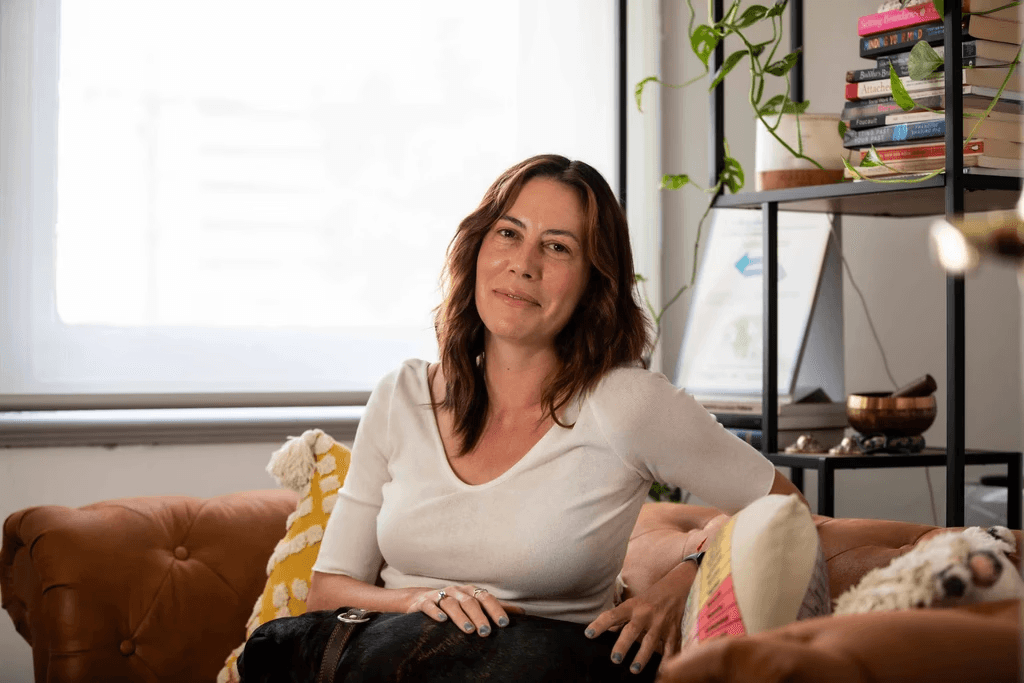
I'm Tamera Broughton, an Accredited Mental Health Social Worker, trauma and EMDR Accredited specialist and co-founder of Centre Self Collective - a trauma-informed mental health practice in Thornbury, Daylesford and online across Australia. I have worked within the mental health and health related fields for the last 13 years.
I work with people whose lives often look steady from the outside but feel much harder than they let on. Much of what we believe is a personal failing is, in fact, a response or coping strategy for the difficult things we’ve lived through, or something still being lived inside. That's the conversation I bring to media work: clinically grounded, genuinely human, and free of the clichés most mental health coverage leans on.
I'm comfortable making complex ideas accessible without flattening the nuance, and equally comfortable saying when something sits outside my scope.

What I speak to
Story angles editors can run with
A few story ideas I can speak to with a fresh, clinically grounded perspective, or to use these as a starting point for something more specific to your audience.
01
"Functioning" is not the same as "well.
Why the most capable, organised people are often the last to be recognised as struggling, and what high-functioning distress actually looks like.
02
Why understanding your patterns doesn't break them.
So many people can explain exactly why they react the way they do, yet nothing changes. What that gap between insight and change really means, and what shifts it.
03
What trauma-informed actually means.
The phrase is everywhere, on cafe menus, in workplace training. A clinician's view on what it means in genuine practice, and what gets lost when it becomes a buzzword.
04
EMDR, beyond the eye movements.
A plain-English explanation of one of the most evidence-based trauma therapies - who it helps, what a session is actually like, and what the research does and doesn't say.
05
When self-help stops being enough.
The line between helpful wellness content and content that makes people feel worse, and how to tell the difference.
06
Looking after mental health before crisis
Most mental health coverage focuses on crisis. The case for ongoing, preventative care, and what that looks like in everyday life.

Sample interview questions
What does "trauma-informed" actually mean, and how can you tell when it's being used well?
Why do so many people understand their patterns but still feel stuck in them?
What is EMDR, and how does it differ from traditional talk therapy?
Why are high-functioning, capable people often the last to ask for support?
Is wellness culture helping or hurting how we think about mental health?
What does looking after your mental health before crisis actually involve?
When someone has tried therapy before and it didn't help, what might be missing?

Suitable for.
A note on scope.
II don't diagnose public figures, advise on acute crisis situations, or speak to areas outside my clinical scope, such as medication. I'll always say so plainly, and where I can, point you toward the right voice.
About Centre Self Collective.
Centre Self Collective is a trauma-informed mental health practice offering evidence-based therapies, including traditional therapy, EMDR and Art Therapy - through a holistic social work lens. By understanding the deeper personal, relational and environmental factors shaping wellbeing, CSC supports people to move beyond symptoms and create meaningful, lasting change.
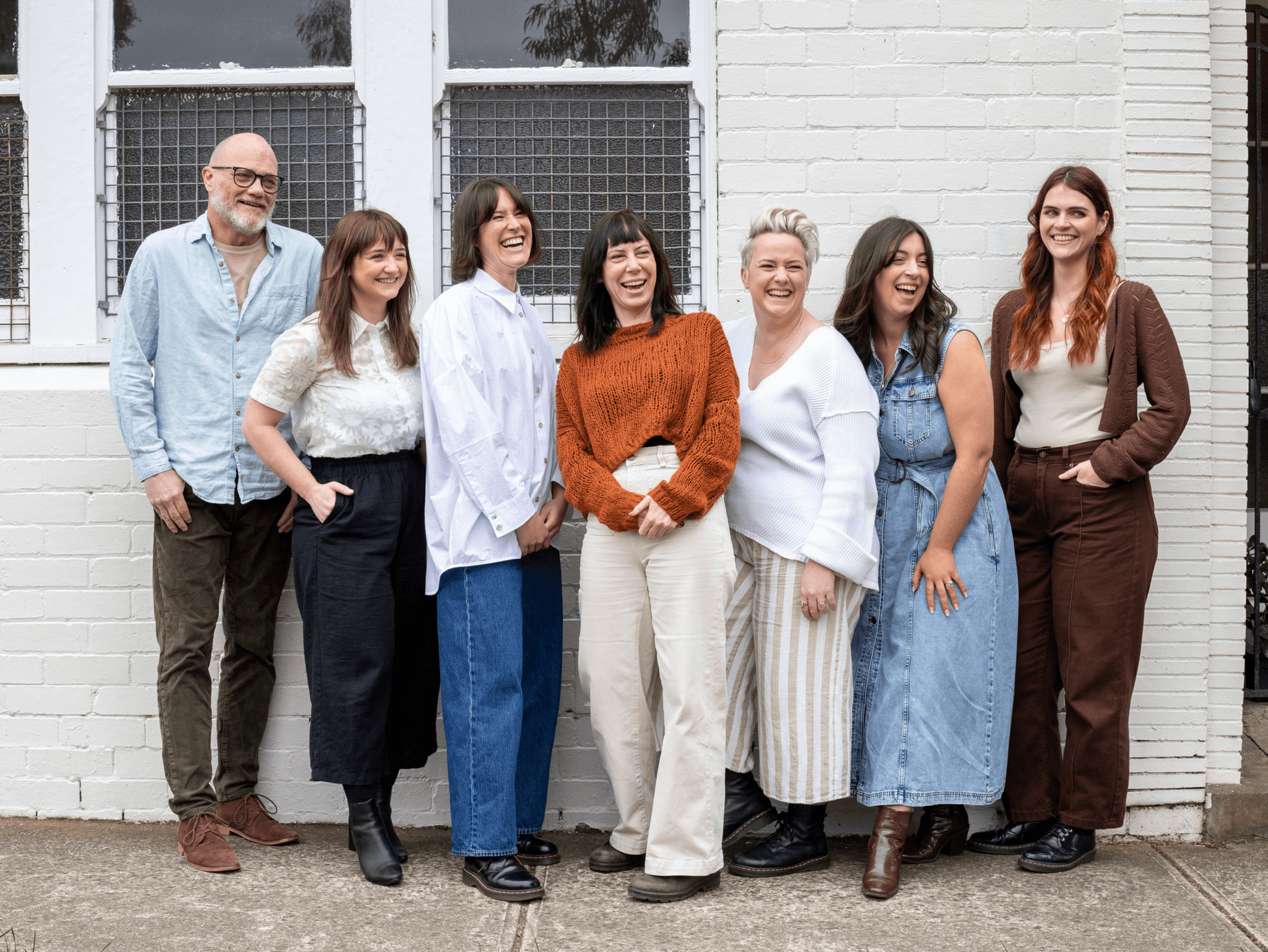
Founded by Tamera Broughton and Amy Howell. Based in Thornbury and Daylesford, and online across Australia. LGBTIQ+ and neurodivergent affirming.
How you can reach us
Please note that we are not available on weekends and we are not equipped to provide crisis services. If you are feeling unsafe or require immediate assistance, please contact one of the mental health crisis support services listed below.
Email: hello@centreself.com.au
Fax: (03) 9086 4174
Phone: 1800 501 200